
A new government study says more than 8 in 10 American infants and toddlers have added sugars in their diets.
About 98% of toddlers and about 60% of infants consumed added sugar; it’s recommended that children under the age of 2 avoid sugars that don’t occur naturally in food.
ABC News Chief Medical Correspondent Dr. Jennifer Ashton told WTOP, “Added sugar is a problem because not only is it empty calories, [but] it really sets them on the wrong path, potentially leading to childhood obesity.”
While the study focused on the added sugars children eat, Ashton said it’s equally important to consider what they aren’t eating, such as fruit, which has nutrition value as well as naturally occurring sugars.
“They’re not getting other things that are nutrient-rich. They’re getting things that are nutrient-poor and calorie-dense. And so when you look at anyone’s nutrition, but especially in this vital age group, where there’s rapid brain development, it’s really, really important to keep it as pure and clean as possible.”
The news from the report, which analyzed data from the Centers for Disease Control from 2005 to 2016, isn’t all bad: While the proportion of young children eating added sugar is high, it’s down from a decade ago.
“This may signify that the message is finally getting across that we have to start thinking about reducing causes for childhood obesity,” Ashton said.
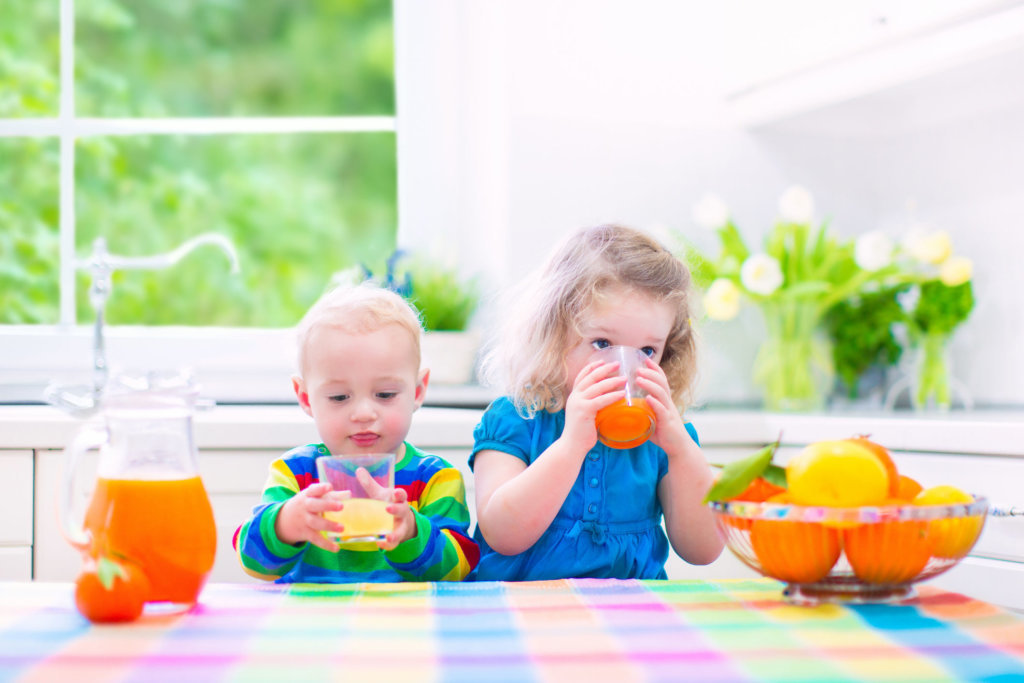
Ashton said that parents of infants and toddlers should make a point of avoiding fruit juice and fruit drinks altogether.
“When you talk about infants and toddlers under the age of 2, it should be water or whole milk or breast milk. That’s it.”