
WASHINGTON — When it comes to various services in the D.C. area, how do you know you’re getting the best bang for your buck?
Washington Checkbook Magazine has some tips when it comes to getting the best value for services and products such as health care, tools and tires.
The magazine’s president, Robert Krughoff, spoke with WTOP about some highlights from the magazine’s research on savings.
Veterinarians
The magazine evaluated 222 area vets and found big differences in quality and price. For example, to neuter a 6-month-old, 30-pound dog, vets charged between $154 and $830.
The difference in price can mirror the quality of care, but Krughoff says sometimes consumers don’t shop around enough to know a bad price when they see it.
“I think people really tend not to shop very much for the price of vets, so they don’t know better,” he says. “They don’t really realize when they are paying $800 for a service they could have had for $150 or $200.”
You should look for whether the vet takes your finances into consideration and discusses various treatment options with you. Also, pet owners need a vet who is reachable by phone and available in case of an emergency.
Hardware Stores
Many D.C.-area shoppers grapple with whether they should shop at bigger hardware stores or smaller, independent shops. Krughoff says bigger stores may have more savings and more items, but they may not focus on the customers’ needs.
Lowe’s and Home Depot are, on average, 25 percent less expensive than independent hardware stores in the area, the magazine found.
Experienced clerks can be an asset in a hardware store — they can act as consultants and teachers. And some independent stores may have better clerks, the magazine found.
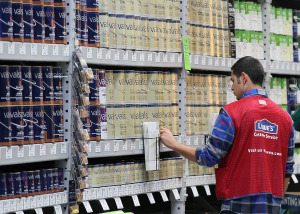
“If you go to a good hardware store, you can expect that kind of really good helpful advice; and some of the independents stores actually rated very high in the quality of advice you get — much higher than the quality of advice you get in the Lowe’s and Home Depot,” Krughoff says.
Larger stores may have volume and variety, but some small stores have an impressive selection, too.
“Independent stores — though they don’t have near as much space — have an enormous amount of variety, and actually know how to find it and know where it is, and they can tailor that variety to their neighborhood — things that people in that neighborhood tend to need,” he adds.
There can be big price differences: 50 feet of copper piping can cost between $58 and $150 at area hardware stores.
Tires
Checkbook found that one set of Michelin tires — and the installation and rotation that come with them — can cost anywhere between $934 and $1,360.
The lowest prices locally were found at Walmart, Costco, BJs, Sams Club, NTB and Sears. Dealerships tended to cost the most, Krughoff says.
One alternative to save money is to shop for tires online, he says.
“You can have them shipped to you and you can pay your local repair shop to do the installation,” Krughoff says.
And taking good care of your tires can be a way to save money in the long run, he adds.
Pest Control
There is a big difference in the quality of area pest-control companies, Krughoff says. Checkbook evaluated 88 local pest control services.
Independent companies ranked better than some of the bigger-name companies such as Orkin. The independent ones ranked better because customers saw better results based on cost, Krughoff says.
While some charge $150 or less for a single visit, others require customers to sign up for long-term contracts that cost $450 or more.
“Checkbook finds so often there is no relationship between quality and price,” he says. “There are really high-quality firms that will do great work that are among the lowest price firms in the area, so you don’t need to pay more.”
Asking about a company’s strategy and guarantee are important when choosing which company to go with.
House cleaners

Those who want to get their house cleaned may have a hard time deciding whether to go with a company or an individual.
Checkbook surveyed D.C.-area residents and found that most were more likely to be happy with individuals instead of companies — 76 percent gave individuals a superior score, as opposed to the 54 percent who gave companies a superior ranking.
“These people are coming into your home, so if you find a good person, you are more likely to be satisfied,” Krughoff says.
Checkbook also found there can be big price differences. For one three-bedroom, two-bathroom house cleaning, prices ranged between $75 and $185.
The best way to prevent surprises is to call first and get a quote. Then, get the price guarantee in writing.
“When you have a [house cleaner] come to your home, get them to write down what’s going to get done and what the price will be,” he says.
Customers should also evaluate how often they want to get their house cleaned.
“It tends to be substantially cheaper to have someone come once a week or every two weeks, as opposed to one-time cleanings,” he adds.
Doctors
Checkbook asked practicing doctors in the area to identify physician specialists they “would consider most desirable for care of a loved one.”
There is a close relationship between the doctors’ ratings and their quality of care, he says.
“Doctors who are recommended by other doctors are much more likely to be board-certified; they are very unlikely to have disciplinary actions against them,” Krughoff says.
Krughoff has some recommendations to make sure patients get the most bang for their buck:
- Make sure it’s easy to communicate with the doctor.
- Find a doctor who explains things to you.
- Be able to get an appointment and see the doctor within a day or two.
- Have a doctor who can talk about preventative measure with you.
Follow @WTOP on Twitter and WTOP on Facebook.
